From performance halls to patient rooms, our acoustical expertise covers the full range of environments. Explore our core capabilities.
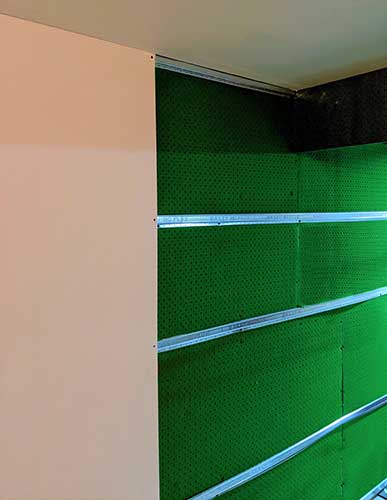
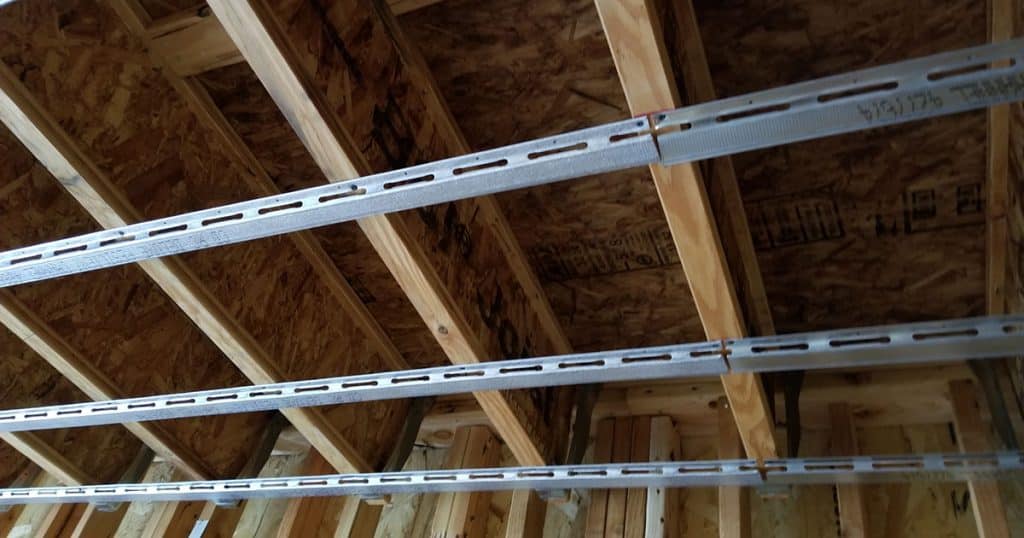
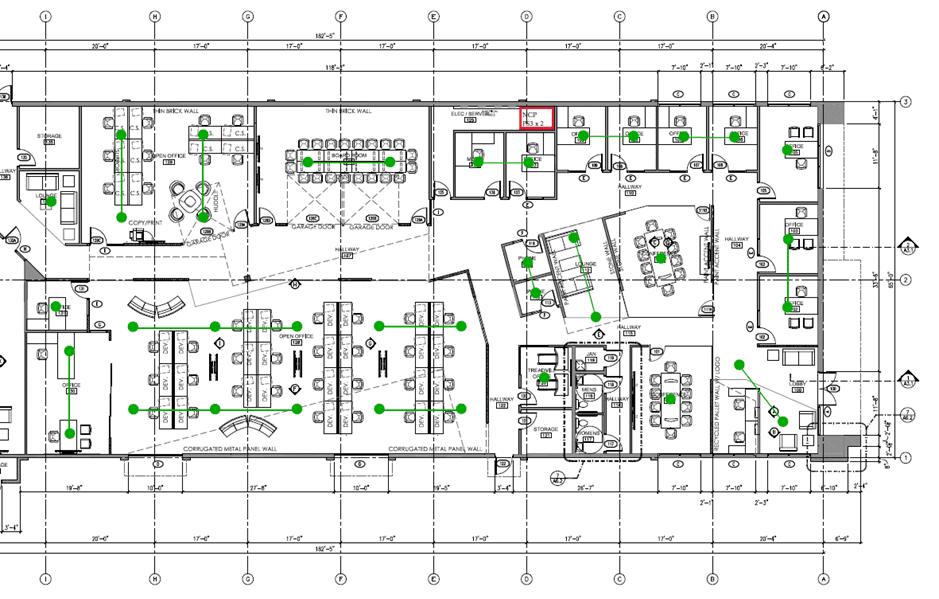
Airborne noise control focuses on limiting sound transmission between rooms and spaces through walls, ceilings, and floor assemblies. Our designs integrate proper material selection, construction detailing, and verified STC performance to meet privacy, comfort, and code expectations. During construction we review assemblies and field conditions to ensure seals, penetrations, and junctions maintain their intended acoustic performance. The result is a controlled sound environment that supports communication without distraction.
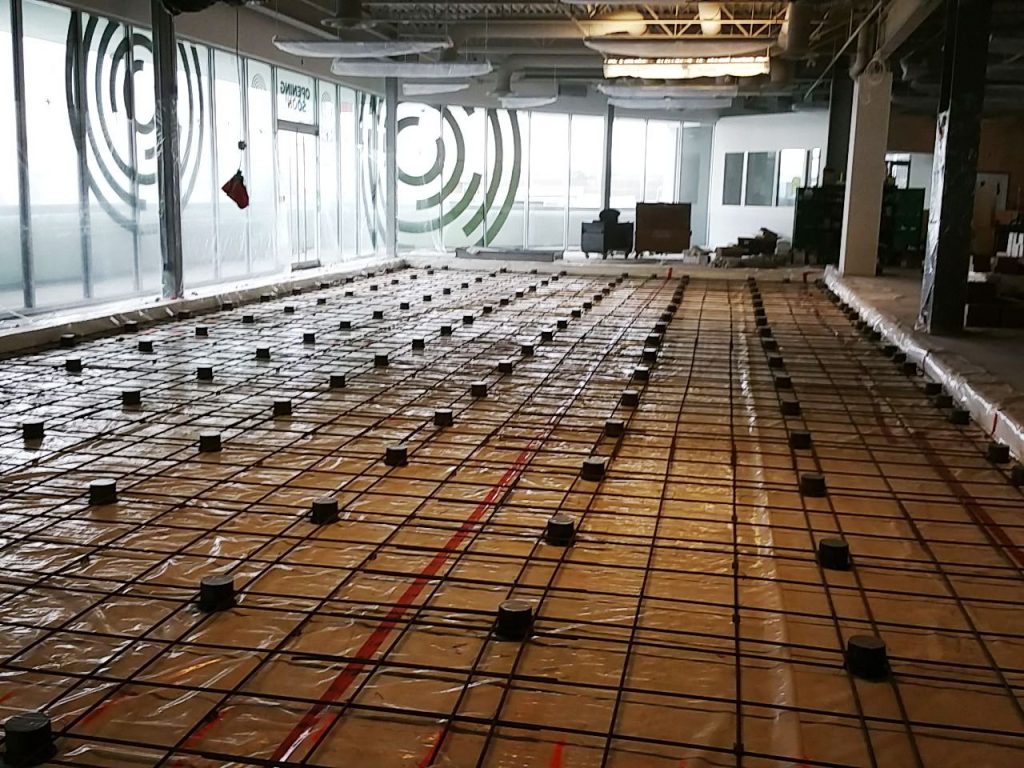
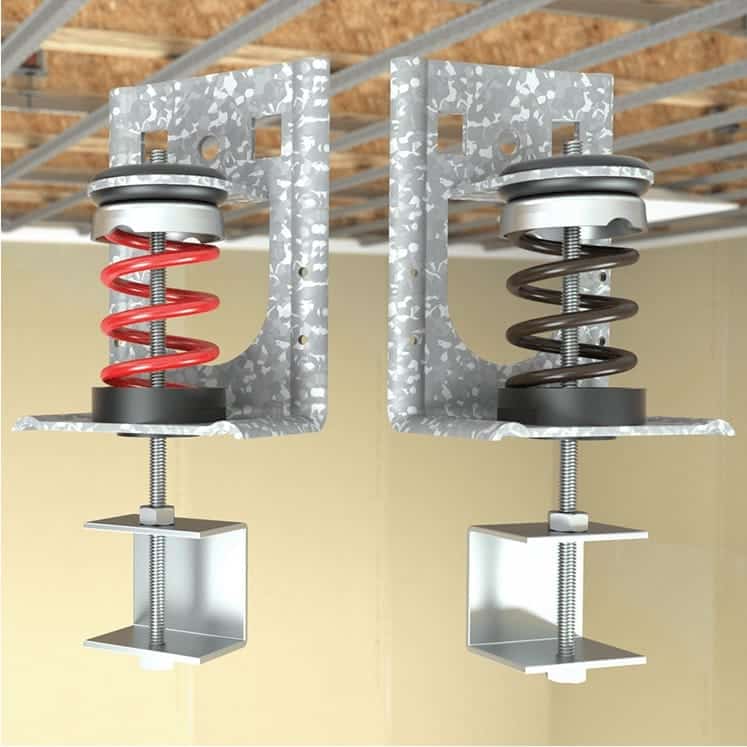
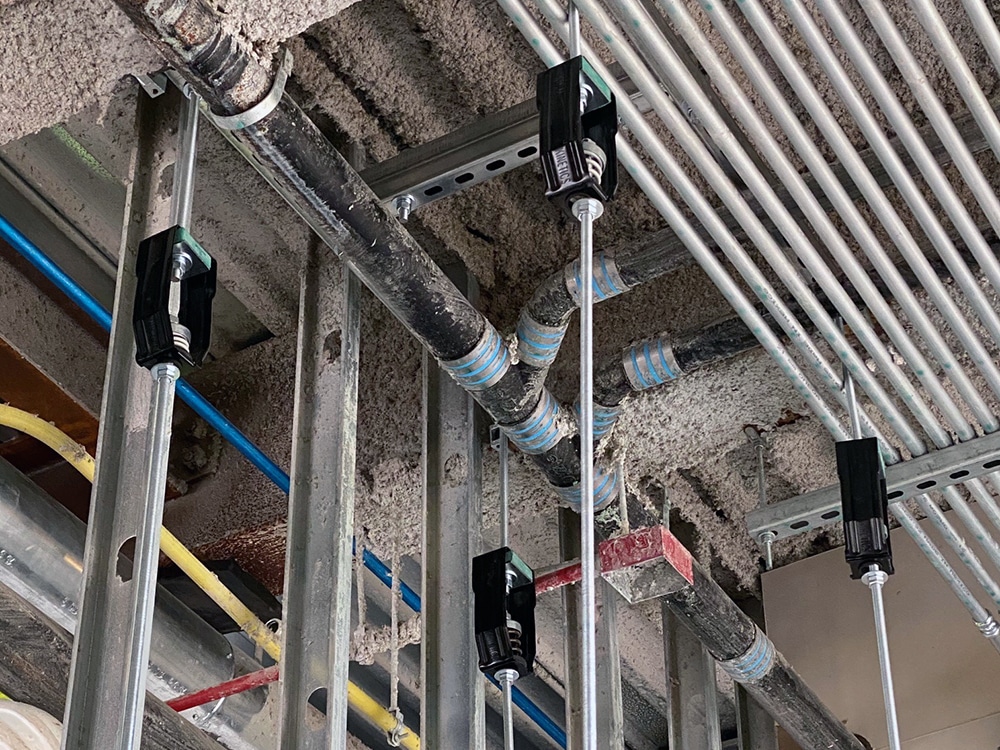
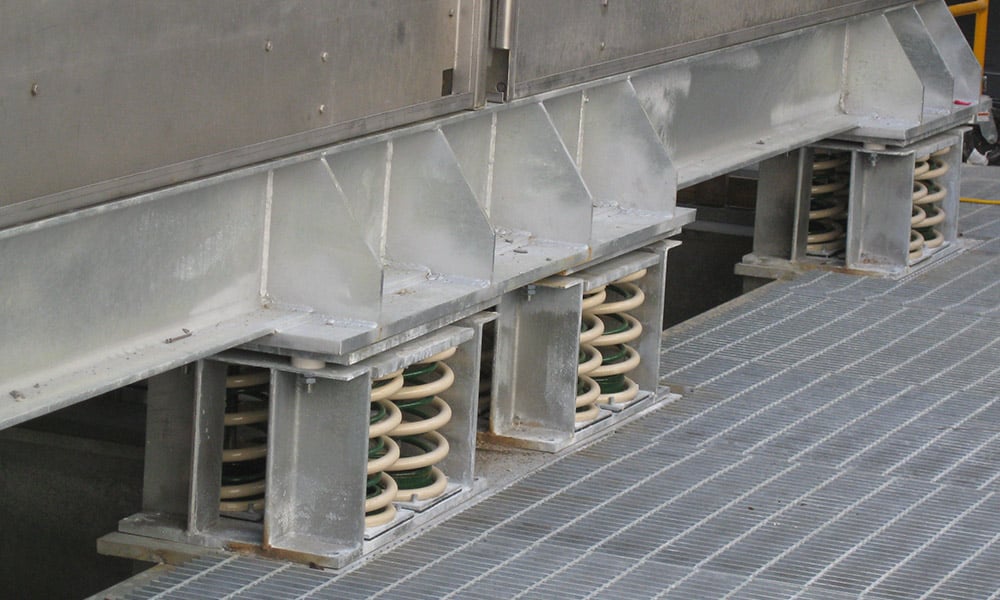
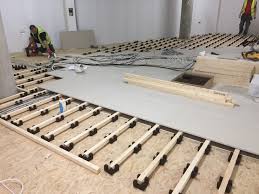
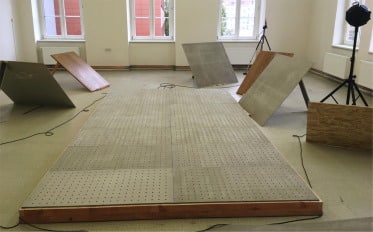
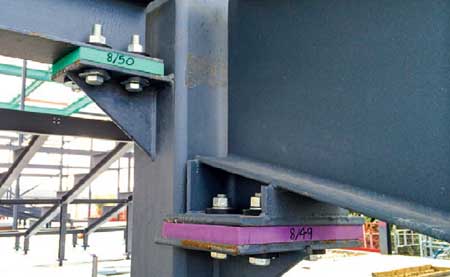
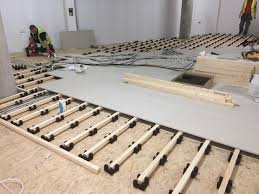
Structure-borne noise control addresses sound and vibration transmitted through building frame, floors, and foundations. We apply isolation techniques such as resilient mounts, floating floors, and vibration isolation pads to decouple sources like mechanical equipment or footfall impacts. During design and construction, we coordinate closely with mechanical teams to ensure isolation methods align with load, safety, and maintainability requirements. Our approach ensures sensitive spaces remain quiet and vibration-free, even in complex multi-story or mixed-use facilities.
Environmental noise and vibration control considers how a project interacts with its surrounding community and environment. We perform on-site measurements, modeling, and mapping to evaluate noise from traffic, rail, aircraft, and other nearby sources. Our recommendations may include barriers, landscape integration, façade improvements, or mechanical system reconfiguration to ensure compliance with local ordinances and owner expectations. For sensitive facilities, we also evaluate vibration impacts to ensure long-term operational stability and comfort.
Mechanical noise control ensures HVAC and plumbing systems operate quietly and harmoniously within the architectural environment. We analyze system layouts, duct velocities, and equipment selections to prevent cross-talk, duct breakout, and structure-bome vibration. Our designs integrate lined ductwork, acoustic louvers, silencers, and vibration isolation as appropriate for performance and maintenance goals. Through coordination with MEP and architectural teams, we deliver quiet systems that enhance occupant comfort while supporting energy efficiency and sustainability.
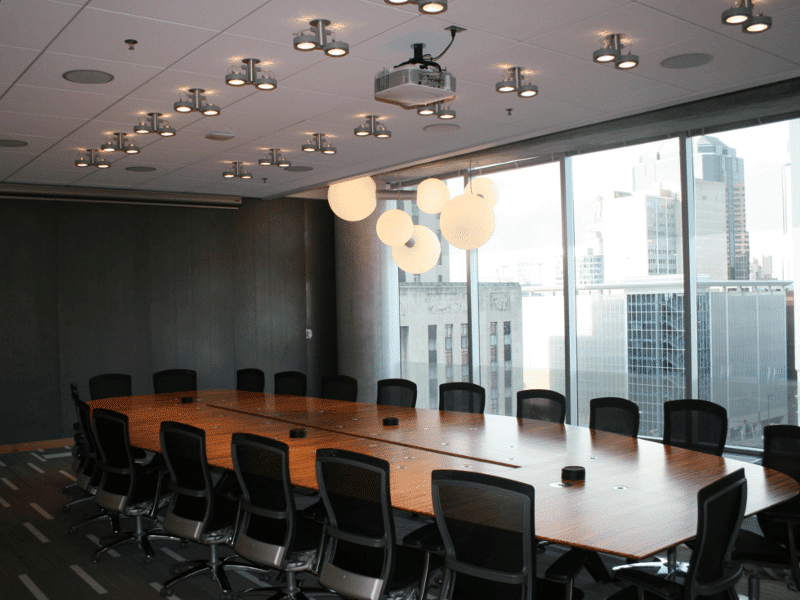
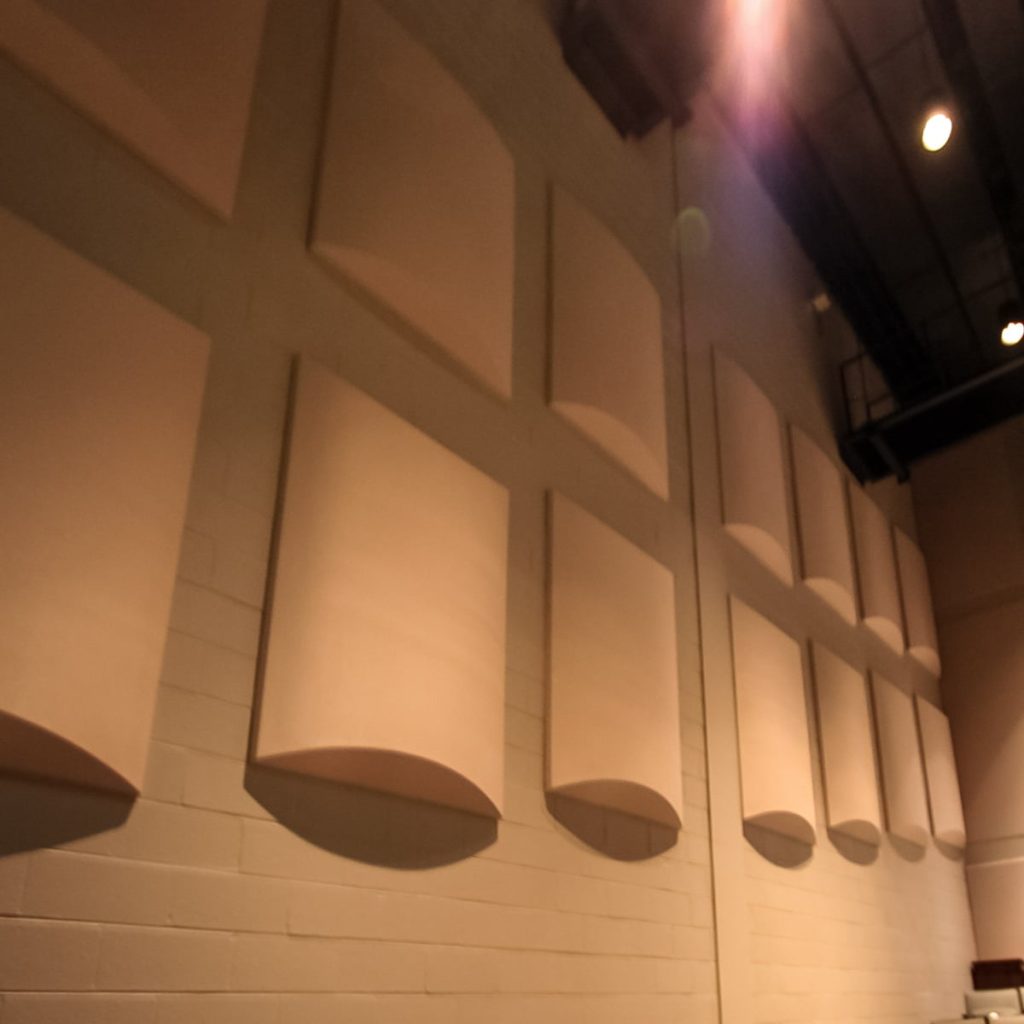
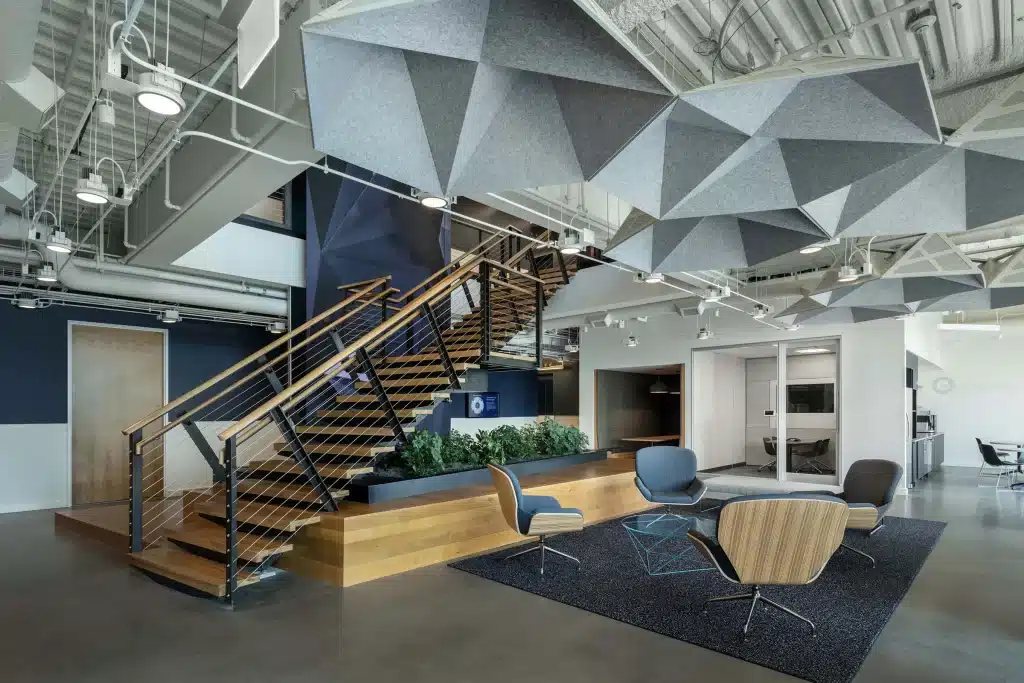
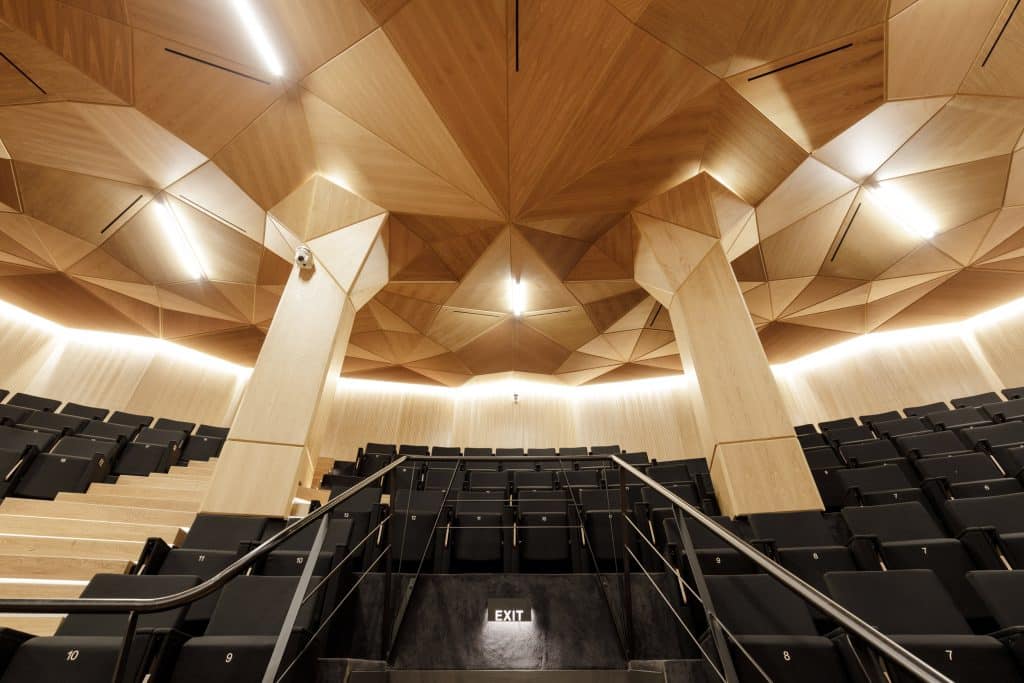
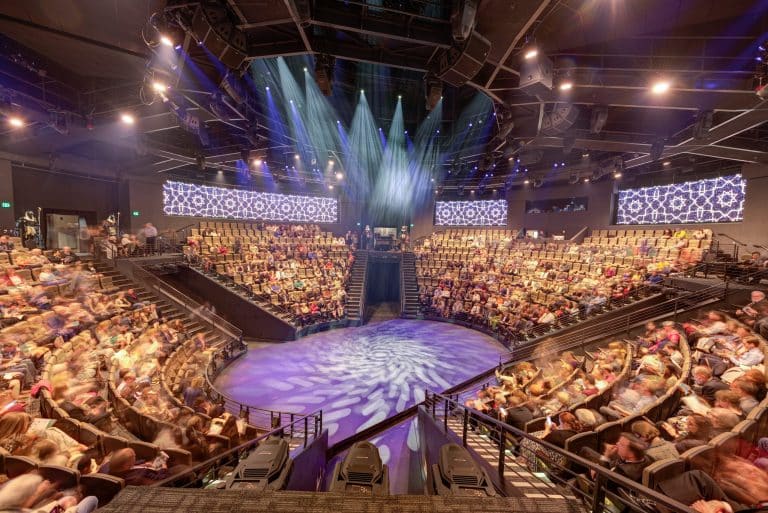
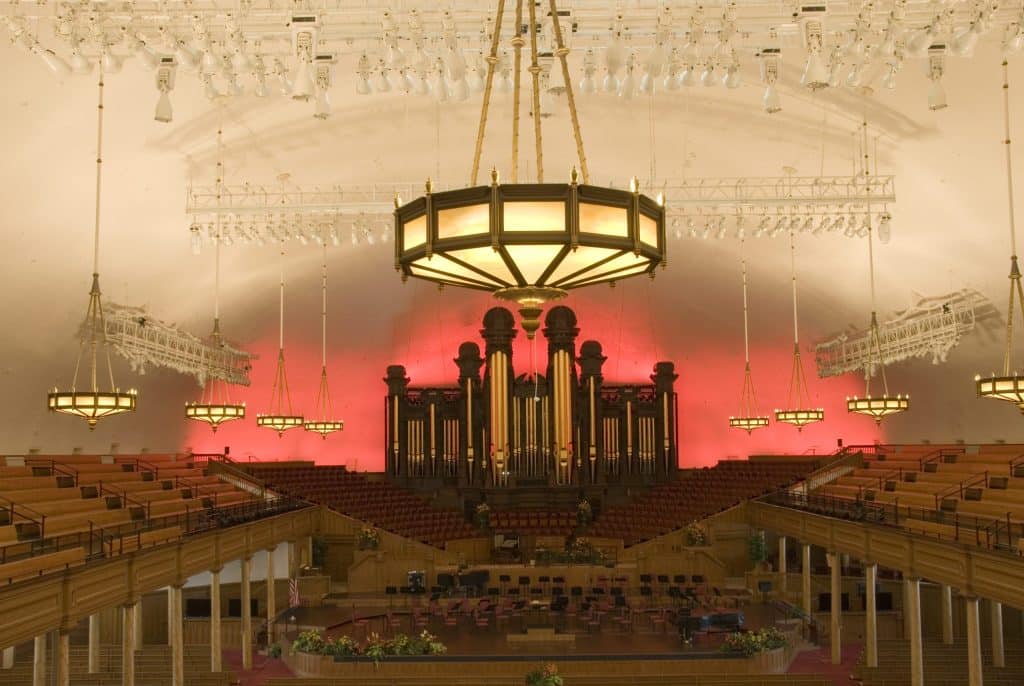
Reverberation and room acoustics define how sounds behaves inside a space — whether it’s speech clarity in classrooms, warmth in performance halls, or focus in offices. We model sound reflections, absorption, and diffusion to fine-tune room geometry and finishes for optimal acoustic balance. Material selections and finish layouts are coordinated early in design to integrate seamlessly with aesthetics and lighting. Our recommendations transform ordinary rooms into acoustically tuned environments that support their intended purpose.
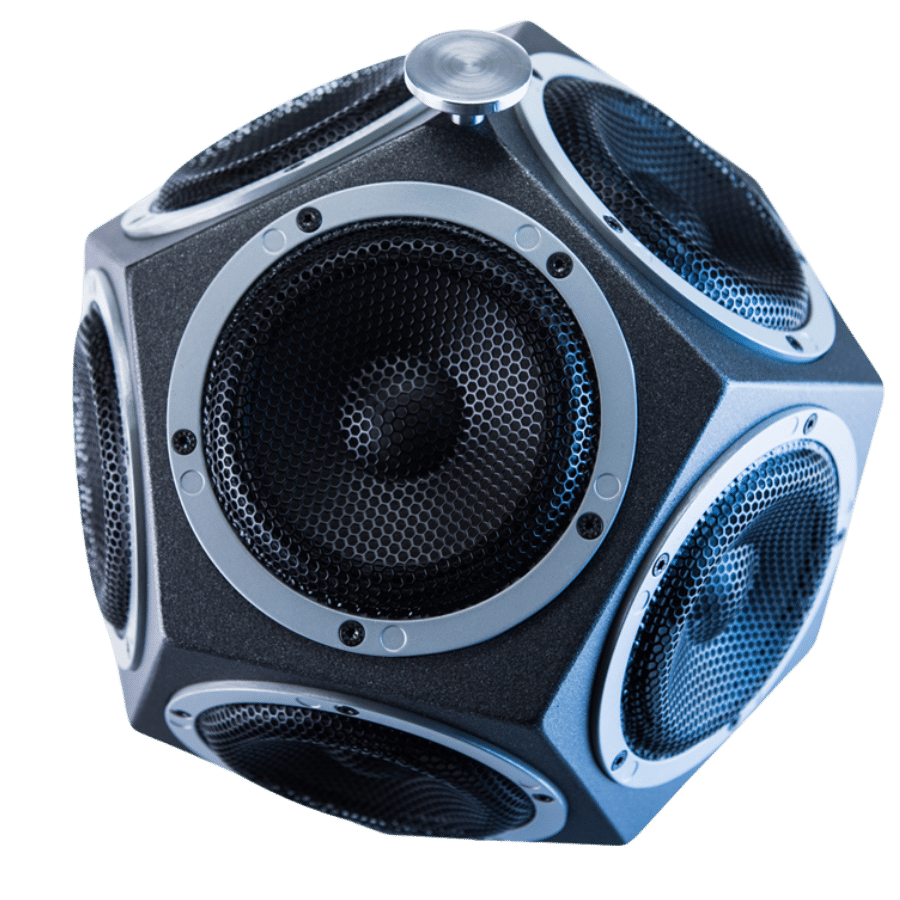
We provide on-site acoustic testing to verify that design intent is achieved and that construction meets industry standards for sound isolation, background noise, and reverberation. Measurements follow ASTM, ANSI, and ISO protocols such as ASTM E336, E413, and E2235 for reliable, repeatable results. Our testing includes detailed reports with visual data, compliance summaries, and recommendations for any corrective action. This ensures that the completed facility performs acoustically as designed — verified, documented, and certifiable.
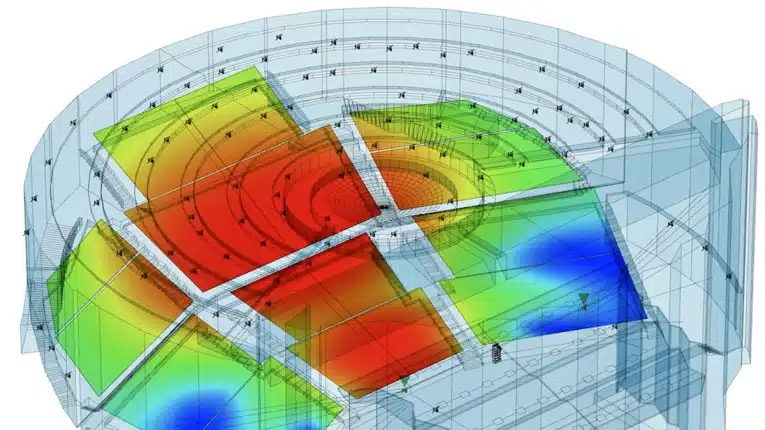
We measure and model how sound behaves in real spaces, from airborne and structure-borne transmission to environmental vibration and ambient noise. Our acousticians perform standard-compliant tests, including HUD and ASTM classifications, to predict and validate performance before construction begins. Results include actionable reports that illustrate how spaces will sound once complete.
Simulates reflections, absorption, and reverberation across surfaces to achieve clarity and intelligibility for the intended use. Our acousticians model the real behavior of voices, music, and equipment to shape balanced, natural sound before construction begins.
Sound masking helps create privacy and comfort, without creating intrusive barriers, by gently raising a room’s background sound level to cover unwanted noise. Instead of eliminating sound, it makes speech and other distractions less noticeable, supporting focus and confidentiality. Properly tuned systems blend seamlessly with the environment, providing a calm, consistent soundscape for modern workspaces and public areas.
From concept through construction, our engineers use precision modeling and material insight to make sound an integrated part of the building experience. Every project begins with a clear understanding of how space, surface, and structure will work together so performance is intentional from the start.
Field tests follow ASTM and ANSI standards, including STC for airborne sound, IIC for impact noise, NC for background noise, and T60 for reverberation time. Each report includes measured data, calibration records, and designed-to-field comparisons that validate system performance with precision.
We review every acoustic assembly, rough-in integration, seal, connection, and penetration detail to ensure construction matches design intent. Findings are documented through structured RFI and submittal tracking, maintaining accountability between field teams and design engineers.
Our team delivers certified reports prepared in accordance with ASTM and ANSI classifications such as E336, E1007, E2235, and ANSI S12.2 / S12.60. Each includes calibrated data, frequency response graphs, and modeled comparisons to confirm compliance. Reports are accepted by architects, contractors, and code officials as verified proof of performance and reliability.
Acoustics contribute to an elevated experience. For retail, that means customers linger longer, spend more. Hospitals function better, and school children are not distracted.
Read More
Read More
Watch Now
Access Now
From precision analysis and noise-control strategies to integrated design, commissioning, and verification, our acoustic expertise ensures spaces perform exactly as they should - comfortably, clearly, and compliantly.